Here are some specific ways to add electrons:
* Electrolysis: This process uses an electric current to split water molecules into hydrogen and oxygen. The hydrogen gas can then be used to reduce other substances.
* Chemical reduction: This process uses a reducing agent, such as sodium borohydride or lithium aluminum hydride, to transfer electrons to another substance.
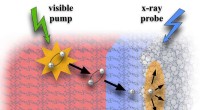
* Photoreduction: This process uses light energy to excite electrons in a semiconductor material, which can then be transferred to another substance.
The process of adding electrons is important in many chemical reactions, such as the synthesis of organic compounds and the production of metals.