Counter-radiation refers to the process of using electromagnetic radiation or other forms of energy to neutralize or reduce the harmful effects of ionizing radiation. This often involves using materials or substances that absorb or deflect radiation, or using techniques such as shielding or filtering to limit exposure to radiation.
Here are some examples and applications of counter-radiation:
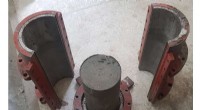
1. Lead Shielding: Lead is commonly used as a shielding material to protect against gamma rays and X-rays. It can be used in medical settings, industrial facilities, or nuclear power plants to create barriers that block radiation from reaching sensitive areas or personnel.
2. Radiation Protective Clothing: Specialized protective clothing, such as lead-lined aprons or suits, can be worn to shield wearers from radiation during medical procedures or industrial operations. These garments provide a physical barrier against radiation, reducing the amount absorbed by the wearer.
3. Radioprotective Drugs: Certain drugs, known as radioprotectors, can help reduce the harmful effects of radiation by acting as scavengers for free radicals and preventing DNA damage. These drugs may be administered before or after exposure to radiation.
4. Radiation-Resistant Materials: Some materials exhibit natural resistance to radiation damage. These materials, such as certain alloys or polymers, can be used in the design of equipment or structures intended for use in environments with high radiation exposure.
5. Medical Countermeasures: In the event of a radiological incident, medical countermeasures may include the administration of medications like potassium iodide to block the uptake of radioactive iodine by the thyroid gland, reducing the risk of thyroid cancer.
6. Air Filters: High-efficiency particulate air (HEPA) filters can be employed in ventilation systems to remove radioactive particles from the air, reducing the risk of inhalation or ingestion.
7. Biological Countermeasures: Certain microorganisms or enzymes have been found to have the ability to break down or absorb radioactive materials, leading to bioremediation applications in radioactive environments.
8. Radiation Hardened Electronics: In some industries, such as aerospace or nuclear power, electronic components are specifically designed to withstand the effects of radiation, ensuring continued functionality in hazardous environments.
It's important to note that while these counter-radiation techniques can help reduce the harmful effects of radiation, they do not eliminate the risk entirely. Effective radiation protection involves a combination of countermeasures, safety protocols, and monitoring to minimize exposure and ensure public safety.