Here is a more detailed explanation of why elements and compounds are pure substances while homogeneous mixtures are not:
* Elements are pure substances because they are made up of only one type of atom. For example, gold is an element that is made up of only gold atoms.
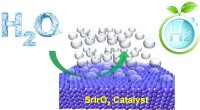
* Compounds are pure substances because they are made up of two or more types of atoms that are chemically bonded together in a fixed ratio. For example, water is a compound that is made up of two hydrogen atoms and one oxygen atom that are chemically bonded together in a 2:1 ratio.
* Homogeneous mixtures are not pure substances because they are made up of two or more components that are not chemically bonded together. For example, a mixture of sand and water is a homogeneous mixture because the sand and water are not chemically bonded together.
The difference between pure substances and homogeneous mixtures is important because it affects the properties of the substances. Pure substances have a definite and uniform composition, which means that they have predictable properties. For example, pure gold is always a shiny, yellow metal that is dense and malleable. In contrast, homogeneous mixtures can have variable compositions, which means that their properties can vary from one part of the mixture to another. For example, a mixture of sand and water can have different densities depending on the amount of sand and water that are present.