Catabolic Reactions (Break-down of complex molecules):
1. Glycolysis: The breakdown of glucose into smaller molecules, such as pyruvate, to release energy.
2. Proteolysis: The hydrolysis of proteins into amino acids.
3. Lipolysis: The breakdown of lipids into glycerol and fatty acids.
4. Glycogenolysis: The conversion of glycogen into glucose-1-phosphate.
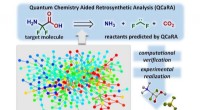
5. Decarboxylation: The removal of carbon dioxide from organic molecules.
Anabolic Reactions (Building up of complex molecules):
1. Gluconeogenesis: The synthesis of glucose from non-carbohydrate sources, such as amino acids or fats.
2. Protein Synthesis: The assembly of amino acids into proteins according to genetic instructions.
3. Lipid Synthesis: The formation of lipids from smaller molecules like acetyl-CoA.
4. Photosynthesis: The synthesis of glucose and oxygen from carbon dioxide and water using sunlight in plants.
5. DNA Replication: The duplication of DNA prior to cell division.
These are a few examples of numerous metabolic reactions that require the assistance of enzymes to accelerate and regulate the chemical transformations necessary for catabolic and anabolic processes in living organisms.