1. Photosynthesis:
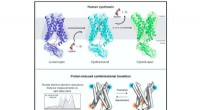
Photosynthesis is a vital biological process performed by plants, algae, and some bacteria. It involves the conversion of carbon dioxide (CO2) into organic compounds, primarily glucose, using the energy from sunlight. As a byproduct of photosynthesis, oxygen (O2) is released into the atmosphere. This release of oxygen is a consequence of the splitting of water molecules (H2O) during the process.
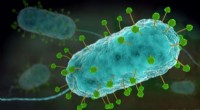
The first organisms capable of photosynthesis were likely cyanobacteria, ancient photosynthetic bacteria that emerged around 3.5 billion years ago. These early cyanobacteria thrived in aquatic environments, and their photosynthetic activities began to gradually increase the levels of oxygen in the oceans and the atmosphere. Over time, as cyanobacteria proliferated, oxygen production accelerated, leading to the oxygenation of the Earth's early atmosphere.
2. Photolysis of Water Vapor:
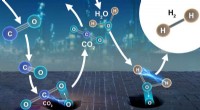
Photolysis refers to the breakdown of molecules through the absorption of light energy. In the early atmosphere of the Earth, water vapor (H2O) molecules were abundant. The energy from the sun's ultraviolet (UV) radiation was sufficiently strong to split water vapor into hydrogen (H2) and oxygen (O2).
Hydrogen, being a lightweight gas, escaped into space due to its high velocity and low gravitational attraction. On the other hand, oxygen accumulated in the atmosphere. The escape of hydrogen and the production of oxygen through photolysis contributed further to the oxygenation of the Earth.
However, it's worth noting that the Earth's atmosphere remained largely anoxic (lacking significant oxygen) for an extended period. It took billions of years for the combined effects of photosynthesis and photolysis to reach a point where free oxygen became abundant enough to transform the atmosphere into its present oxygen-rich state.
The Great Oxygenation Event (GOE), which occurred approximately 2.3 billion years ago, is considered a pivotal point in Earth's history when oxygen levels in the atmosphere and oceans increased dramatically, leading to the diversification and expansion of aerobic organisms and eventually shaping the conditions necessary for complex life forms to evolve.