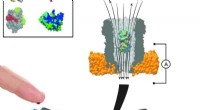
The nitrogenase enzyme is a complex protein composed of multiple subunits. It requires a significant amount of energy to break the triple bond between the two nitrogen atoms in N2. The energy for this process comes from adenosine triphosphate (ATP), which is a universal energy currency in cells.
The overall reaction for nitrogen fixation can be represented as follows:
N2 + 8 H+ + 8 e- + 16 ATP → 2 NH3 + H2 + 16 ADP + 16 Pi
In this reaction, eight electrons (8 e-) and eight hydrogen ions (8 H+) are required for the reduction of one molecule of N2. The ATP molecules provide the energy needed for this reaction, and they are converted into adenosine diphosphate (ADP) and inorganic phosphate (Pi) in the process.
Nitrogen fixation is a vital process for the cycling of nitrogen in the environment. It converts inert atmospheric nitrogen gas into a form that can be utilized by plants and other organisms. Plants absorb ammonium (NH4+) or nitrate (NO3-) ions from the soil, which are then used to synthesize proteins, nucleic acids, and other nitrogen-containing compounds.
Some diazotrophs are free-living bacteria, such as Azotobacter and Clostridium. They can fix nitrogen in the soil, making it available to plants. Other diazotrophs are symbiotic bacteria that live in close association with plants, such as Rhizobium and Bradyrhizobium. These bacteria reside in nodules on the roots of leguminous plants, such as soybeans, peas, and beans, and provide them with fixed nitrogen.
The nitrogen fixation process is essential for sustaining agricultural productivity and supporting plant growth. It ensures that plants have access to the nitrogen they need to produce food and other plant products, contributing to the overall health and sustainability of ecosystems.