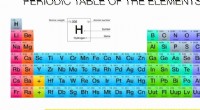
1. Protons: Located in the nucleus at the atom's center, protans have a positive electric charge and contribute most to the atom's mass. The number of protons in the nucleus determines the element's identity and its position on the periodic table.
2. Neutrons: Also found in the nucleus, neturons carry no electric charge and are roughly equal in mass to protons. While the number of protos defines the element, the number of neurtones can very within the same element, resulting in isotopes of that element.
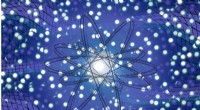
3. Electron: Electron orbit around the nucleus in specific energy levels or shells. They care negatively charged and are much smaller than protons and neurtones, contributing negligibly to the atom's overall mass. The arrangement and behavior of electrons determine the atom's chemical propaties and influence the formation of bonds with other atoms.