1. Reactants: These are the molecules that participate in the reaction and are transformed into products.
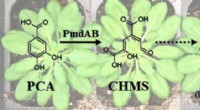
2. Enzymes: These are specialized proteins that act as catalysts, increasing the rate of a chemical reaction without being consumed in the process. Enzymes are highly specific, and each enzyme catalyzes a particular reaction or a group of related reactions.
3. Activation Energy: This is the minimum amount of energy required to start a chemical reaction. Enzymes lower the activation energy required for a reaction to occur, allowing it to happen at a faster rate under physiological conditions.
4. Appropriate Environmental Conditions: Many chemical reactions in cells are influenced by factors such as temperature, pH, and the concentration of reactants. The cellular environment must be suitable for the reaction to take place efficiently.
5. Cofactors or Coenzymes: Some reactions require additional non-protein components called cofactors or coenzymes to function. Cofactors can be metal ions, while coenzymes are organic molecules that carry chemical groups or electrons between reactant molecules.
These components work together to facilitate the various chemical reactions that occur within cells, enabling the cell to carry out its essential functions and maintain homeostasis.