Cell Lysis: SDS, an anionic detergent, disrupts the phospholipid bilayer of cell membranes by interacting with the hydrophobic tails of the phospholipids. This interaction leads to the disintegration of the membrane, causing the cell to break open and release its contents.
Solubilization of Cell Components: After cell lysis, SDS helps solubilize and maintain the solubility of various cell components, including proteins and lipids, by denaturing them and preventing them from aggregating. This ensures that DNA remains accessible and facilitates subsequent steps of the isolation process.
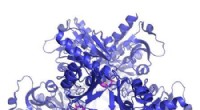
Protein Denaturation: SDS has the ability to denature proteins, which is crucial for DNA isolation. Proteins tightly bind to DNA and can hinder its extraction. By denaturing the proteins, SDS disrupts these protein-DNA interactions, allowing for efficient separation of DNA from other cellular components.
DNA Accessibility: The denaturation of proteins also exposes the DNA molecules, making them more accessible to enzymes and reagents used in subsequent steps of the DNA isolation protocol.
SDS-Protein Complexes: SDS forms micelles, which are spherical structures with a hydrophobic interior and a hydrophilic exterior. Denatured proteins bind to the hydrophobic regions of SDS micelles, forming complexes that keep them in solution and prevent their interference with DNA purification.
Nucleic Acid Precipitation: In some DNA isolation methods, such as the CTAB (Cetyl Trimethyl Ammonium Bromide) method, SDS can be used to enhance the precipitation of nucleic acids. It forms complexes with CTAB, which in turn binds to the negatively charged DNA backbone, promoting the formation of dense nucleic acid-detergent precipitates that can be easily pelleted by centrifugation.
It's important to note that SDS can inhibit the activity of some enzymes, such as restriction enzymes, so its concentration and the duration of exposure to DNA need to be carefully controlled during the DNA isolation procedure to prevent DNA degradation.