1. Industrial Chemistry: This branch of chemistry deals with the large-scale production of chemicals, including fertilizers, plastics, pharmaceuticals, fuels, and solvents. It involves designing efficient chemical processes, optimizing reactions, and addressing safety and environmental concerns.
2. Environmental Chemistry: Applied chemistry is crucial in understanding and addressing environmental issues. It includes analyzing pollutants in air, water, and soil, developing methods for pollution control and remediation, and designing sustainable chemical processes to reduce environmental impact.
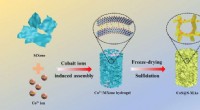
3. Materials Science: Applied chemistry plays a vital role in materials science, where chemical principles are used to design and create new materials with specific properties. This field encompasses the development of advanced materials such as semiconductors, alloys, composites, ceramics, and polymers.
4. Food Chemistry: Applied chemistry in the food industry involves analyzing and understanding the chemical composition of food, developing food additives and preservatives, ensuring food safety and quality, and creating new food products with desired flavors and nutritional value.
5. Pharmaceutical Chemistry: Applied chemistry is essential in drug design, synthesis, and production. Pharmaceutical chemists work to develop new drugs, understand drug interactions, and ensure the safety and efficacy of medications.
6. Biotechnology: Applied chemistry intersects with biotechnology in areas such as genetic engineering, protein engineering, and bioprocess development. It enables the production of biofuels, biopharmaceuticals, and other products through the application of chemical principles.
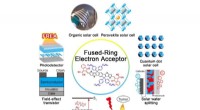
7. Energy Chemistry: Applied chemistry contributes to the development of renewable energy sources, such as solar cells, batteries, and fuel cells. It also addresses the efficient utilization and conversion of energy resources, including fossil fuels.
8. Nanotechnology: Applied chemistry plays a crucial role in the field of nanotechnology, where chemical techniques are used to create and manipulate materials at the nanoscale. This has applications in electronics, medicine, and other areas.
Regarding metallurgy, it is a field of materials science and engineering that deals with the properties, production, and application of metals. It involves processes such as mining, extraction, refining, alloying, and shaping of metals to create various products and structures. Metallurgy is essential in industries such as construction, automotive, aerospace, and manufacturing, where metals are widely used due to their strength, durability, and versatility.