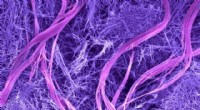
- Protein: Proteins are large, complex molecules that are essential for the structure and function of all living organisms. They are made up of amino acids, which are linked together by peptide bonds. Proteins are involved in a wide range of cellular processes, including metabolism, reproduction, and immune response.
- Lipids: Lipids are a diverse group of molecules that are insoluble in water but soluble in organic solvents. They include fats, oils, waxes, and phospholipids. Lipids are important for energy storage, insulation, and protection.
- Carbohydrates: Carbohydrates are a group of organic compounds that contain carbon, hydrogen, and oxygen. They are the body's primary source of energy and are also used for structural purposes. Carbohydrates include sugars, starches, and cellulose.
- Nucleic acids: Nucleic acids are molecules that store and transmit genetic information. They are made up of nucleotides, which are composed of a sugar, a phosphate group, and a nitrogenous base. Nucleic acids include DNA and RNA.