The general chemical equation for this reaction is:
Metal + Acid → Metal Salt + Hydrogen Gas
For example, when magnesium reacts with hydrochloric acid, the following reaction takes place:
Mg + 2HCl → MgCl2 + H2
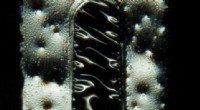
In this reaction, magnesium (Mg) reacts with hydrochloric acid (HCl) to form magnesium chloride (MgCl2) and hydrogen gas (H2). The hydrogen gas produced is released as bubbles, which can be observed during the reaction.
However, it's important to note that not all metals react with acids to produce hydrogen gas. Metals such as copper, silver, and gold do not react with dilute acids and hence do not produce hydrogen. The reactivity of a metal with an acid depends on the chemical properties and position of the metal in the reactivity series.