1. Electron Transfer:
- Atoms involved in ionic bonding have different electronegativities, meaning their ability to attract electrons varies.
- The atom with higher electronegativity (higher tendency to attract electrons) gains electrons from the atom with lower electronegativity.
2. Ion Formation:
- As a result of electron transfer, the electron-donating atom loses electrons and becomes positively charged, forming a cation (positively charged ion).
- The electron-receiving atom gains electrons and becomes negatively charged, forming an anion (negatively charged ion).
3. Electrostatic Attraction:
- The oppositely charged ions are electrostatically attracted to each other due to their opposite charges.
- The electrostatic force between the positive and negative ions holds them together, forming an ionic bond.
4. Crystal Lattice Formation:
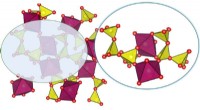
- In ionic compounds, the ions are arranged in a regular, repeating pattern called a crystal lattice.
- The ions pack tightly together to maximize the electrostatic attraction between them, resulting in a stable ionic compound.
5. Stoichiometry:
- The number of electrons transferred and the ratio of positive to negative ions in an ionic compound are determined by the valencies (number of valence electrons) of the participating atoms.
- This ratio ensures electrical neutrality, where the total positive charge of cations equals the total negative charge of anions.
Examples of ionic bonding include sodium chloride (NaCl), where sodium transfers an electron to chlorine, forming Na+ and Cl- ions that are held together by ionic bonds. Similarly, in calcium fluoride (CaF2), calcium loses two electrons to fluorine, forming Ca2+ and 2F- ions that form an ionic compound.
Ionic bonding is commonly observed in compounds formed between metals and non-metals. The strength and stability of ionic bonds depend on the charge of the ions and the size difference between the ions.