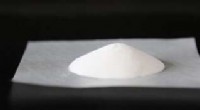
Chalk is a sedimentary rock composed of the mineral calcite (calcium carbonate). It is formed from the accumulation of the remains of tiny marine organisms called coccolithophores, which are single-celled algae with calcium carbonate shells. Chalk is a soft, white or grayish rock, and it is often used in the production of cement, lime, and plaster.
Coal is a fossil fuel formed from the remains of plants that lived millions of years ago. When these plants died, they were buried under layers of sediment and subjected to heat and pressure, which transformed them into coal. Coal is a hard, black or brown rock, and it is used as a fuel to produce electricity and heat.
Here is a table that summarizes the key differences between chalk and coal:
| Characteristic | Chalk | Coal |
|---|---|---|
| Composition | Calcium carbonate | Carbon |
| Formation | Sedimentary rock formed from the remains of coccolithophores | Fossil fuel formed from the remains of plants |
| Color | White or grayish | Black or brown |
| Hardness | Soft | Hard |
| Uses | Cement, lime, plaster | Electricity and heat production |