Methanogenesis is the biological process by which methanogenic bacteria convert various substrates into methane. This process occurs in anaerobic conditions, meaning in the absence of oxygen. Here's how methanogenic bacteria produce methane:
Carbon dioxide reduction: Some methanogenic bacteria utilize carbon dioxide (CO2) as their primary carbon source. They consume CO2 and combine it with hydrogen (H2) or formate (HCOO-) to produce methane. This process is called carbon dioxide reduction or hydrogenotrophic methanogenesis. The reaction can be represented as follows:
CO2 + 4H2 → CH4 + 2H2O
Acetate fermentation: Other methanogenic bacteria employ acetate (CH3COO-) as their primary substrate. They break down acetate into methane and carbon dioxide through a process known as acetate fermentation or acetoclastic methanogenesis. This reaction can be summarized as:
CH3COO- + H2O → CH4 + CO2
Methyl transfer reactions: Certain methanogenic bacteria engage in methyl transfer reactions to produce methane. They utilize methylated compounds, such as methanol (CH3OH) or methylamine (CH3NH2), as substrates. By transferring the methyl group (-CH3) to a suitable acceptor, methane is generated.
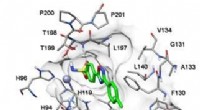
Each type of methanogenic bacteria possesses specific enzymes and metabolic pathways that enable them to carry out these methanogenic reactions. They contain unique coenzymes and cofactors, such as coenzyme M and methyl coenzyme M reductase, which are essential for methane production.
Understanding methanogenic bacteria and their methane-producing capabilities is important for various reasons. Firstly, it helps us comprehend their role in the global methane budget and climate change dynamics. Secondly, it facilitates the development of strategies to mitigate methane emissions from anthropogenic sources, such as landfills and agriculture. Additionally, methanogenic bacteria have promising biotechnological applications, such as in biogas production and wastewater treatment.