1. Limiting Reactant: If one of the reactants is present in a limited amount, the reaction will eventually stop when that reactant is consumed. For example, if you have a small piece of magnesium and an excess of hydrochloric acid, the reaction will continue until all the magnesium is dissolved.
2. Concentration: The concentration of the reactants can affect the reaction rate. Higher concentrations generally lead to faster reactions. If the concentration of either magnesium or hydrochloric acid is too low, the reaction may slow down significantly or even appear to stop.
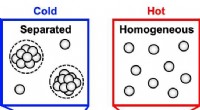
3. Temperature: Temperature also plays a role in reaction rates. Higher temperatures usually accelerate reactions. If the temperature is too low, the reaction between magnesium and hydrochloric acid may be very slow or even imperceptible.
4. Impurities or Inhibitors: The presence of impurities or inhibitors can interfere with the reaction and slow it down. For example, if the magnesium contains impurities that form a protective layer on its surface, it can hinder the reaction with hydrochloric acid. Similarly, certain compounds can act as inhibitors and reduce the reaction rate.
5. Product Inhibition: In some cases, the products of a reaction can accumulate and inhibit the further progress of the reaction. For the reaction between magnesium and hydrochloric acid, the products are magnesium chloride and hydrogen gas. If the concentration of magnesium chloride becomes too high, it may start inhibiting the reaction.
Therefore, while the reaction between magnesium and hydrochloric acid does not stop completely, various factors can cause it to slow down or appear to stop. Understanding these factors is crucial for controlling and optimizing chemical reactions in different industrial and laboratory settings.