Purity: Distilled water has undergone a distillation process that removes impurities such as minerals, salts, organic matter, and microorganisms. This ensures that the water used in the experiment is as pure as possible, minimizing the risk of contamination and providing more accurate and reliable results.
Constant composition: Distilled water has a consistent and predictable composition. Unlike tap water, which can vary in its composition depending on the source and treatment processes, distilled water always has the same molecular structure (H2O) and a neutral pH. This consistency is crucial for experiments that require precise control over the water's properties.
Absence of minerals and ions: Many experiments are sensitive to the presence of minerals and ions that can interfere with the reactions or measurements being conducted. Distilled water is free from these substances, which makes it ideal for experiments involving sensitive chemical reactions, biochemical assays, or precise measurements.
Accurate results: Using distilled water eliminates the potential confounding effects of impurities present in tap water. This helps ensure that the observed results are solely due to the variables being studied in the experiment rather than external factors introduced by tap water.
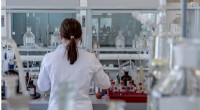
Suitability for specific applications: Distilled water is preferred in various scientific, medical, and industrial applications where high-purity water is required. This includes laboratory experiments, pharmaceutical manufacturing, medical procedures, cleaning sensitive equipment, and many others.
For these reasons, distilled water is often the preferred choice for experiments where accuracy, purity, and control are paramount. However, it's important to note that in some cases, tap water may be suitable for certain experiments where high purity is not required or where specific ions or minerals may be advantageous. Always refer to the specific experimental requirements and consult with scientific literature or experts to determine the most appropriate water source for your experiment.