1. Temperature: As temperature increases, the average kinetic energy of the reactant molecules increases. This means that they move faster and collide with each other more frequently and with more energy, increasing the chances of a successful reaction.
2. Concentration: Increasing the concentration of the reactants means that there are more reactant molecules present in a given volume. This increases the likelihood of collisions between reactant molecules and, consequently, the rate of reaction.
3. Surface Area: Increasing the surface area of solid or liquid reactants increases the number of particles that are exposed to each other and available for reaction. This can significantly accelerate the reaction rate.
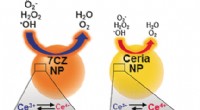
4. Catalyst: A catalyst is a substance that speeds up a chemical reaction without being consumed in the process. Catalysts lower the activation energy of the reaction, making it easier for reactants to reach the transition state and form products.
5. Light: In photochemical reactions, light energy is absorbed by reactant molecules, promoting them to an excited state. These excited molecules are more reactive and can undergo reactions more readily, increasing the reaction rate.
6. Pressure: For reactions involving gases, increasing pressure can increase the rate of reaction by forcing more reactant molecules into closer proximity and increasing the frequency of collisions.
7. Enzymes: In biochemical reactions, enzymes act as catalysts to accelerate the rate of specific reactions. They bind to the reactants, forming an enzyme-substrate complex, and lower the activation energy required for the reaction to occur.
8. Ionic Strength: For reactions involving ions in solution, increasing the ionic strength of the solution can affect the reaction rate by influencing the activity and interactions of the ions.
It's important to note that these factors can have varying effects on different reactions, and the specific impact depends on the nature of the reaction and the conditions under which it occurs.