1. Nuclear Power: U-238 is used as the fertile material in nuclear reactors. When bombarded with neutrons, U-238 can be converted into fissile uranium-239 (U-239), which is used as fuel to sustain nuclear chain reactions.
2. Depleted Uranium: Depleted uranium (DU) refers to uranium that has had most of its U-235 isotope removed. DU is primarily composed of U-238 and small amounts of other uranium isotopes. It is commonly used in:
- Armor and armor-piercing rounds due to its high density and ability to penetrate armor.
- Counterweights and radiation shielding because of its high density and effectiveness in blocking radiation.
3. Space Exploration: U-238 is utilized as a fuel source in Radioisotope Thermoelectric Generators (RTGs). RTGs convert the heat produced by the radioactive decay of U-238 into electrical power, providing a reliable energy source for spacecraft traveling to distant planets or moons.
4. Nuclear Medicine and Imaging: U-238 can be used to produce technetium-99m (Tc-99m), a radioactive isotope widely employed in medical imaging procedures like bone scans and heart stress tests.
5. Neutron Sources: U-238 can serve as a source of neutrons through the process of (α, n) reactions. These neutrons can be utilized in various scientific research and industrial applications, including neutron radiography and activation analysis.
6. Radioactive Dating: U-238 is used in uranium-lead dating, a technique employed to determine the age of rocks and geological formations by analyzing their uranium and lead isotope ratios.
7. Research and Development: U-238 plays a role in ongoing research in nuclear energy, nuclear waste management, and the development of advanced nuclear technologies.
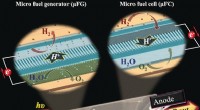
8. Energy Storage and Batteries: U-238 has been investigated as a potential energy storage medium in advanced battery systems due to its high energy density. However, further research and development are necessary to make this application feasible.