Plasma: Plasma is the liquid portion of blood that makes up about 55% of its volume. It is composed of water, electrolytes (such as sodium, potassium, and chloride ions), proteins (including albumin, globulin, and fibrinogen), hormones, enzymes, waste products, and gases (such as oxygen, carbon dioxide, and nitrogen).
Red Blood Cells: Also known as erythrocytes, red blood cells constitute approximately 45% of blood volume. They contain a protein called hemoglobin, which binds to oxygen in the lungs and transports it to tissues throughout the body.
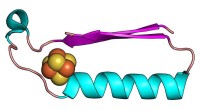
Hemoglobin: Hemoglobin is an iron-containing protein present in red blood cells. Each hemoglobin molecule can bind to four oxygen molecules, enabling the transport of large amounts of oxygen through the bloodstream.
White Blood Cells: White blood cells or leukocytes are part of the body's immune system and make up about 1% of blood volume. There are different types of white blood cells, including neutrophils, lymphocytes, monocytes, eosinophils, and basophils, each with specific functions in defending against infections and foreign substances.
Platelets: Platelets or thrombocytes are tiny cell fragments involved in blood clotting and account for less than 1% of blood volume. When a blood vessel is damaged, platelets clump together to form a temporary plug and release chemicals that help form a clot to stop bleeding.
Electrolytes: Electrolytes are minerals present in blood plasma that play crucial roles in regulating the body's fluid balance, muscle contractions, nerve function, and maintaining the proper pH level.
Proteins: Various proteins are found in blood plasma, including albumin, globulin, and fibrinogen. Albumin helps maintain osmotic pressure, transport molecules, and prevent fluid leakage from blood vessels. Globulins, such as immunoglobulins, are involved in the immune response, while fibrinogen is essential for blood clotting.
Blood Gases: Blood gases refer to oxygen and carbon dioxide, which are dissolved in the blood. Oxygen is taken up in the lungs and carried by hemoglobin in red blood cells, while carbon dioxide is transported from tissues to the lungs to be exhaled.
It's important to note that blood composition can vary, and certain factors, such as dehydration, disease, and lifestyle habits, can influence the levels of different elements and compounds in the blood. Regular monitoring of blood components is an important aspect of maintaining overall health, and any significant deviations from normal values should be discussed with a healthcare professional.