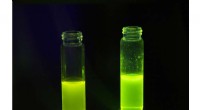
The process of an electron moving from a higher energy state to a lower energy state is called atomic emission. This process is what causes atoms to emit light. The light emitted by atoms is what we see when we look at things around us. For example, the light from the sun is emitted by the atoms in the sun. The different colors of light that we see are due to the different wavelengths of the photons that are emitted by the atoms.
Atomic emission is also what causes the colors of fireworks. The different colors of fireworks are produced by the different metals that are used in the fireworks. When these metals are heated, the electrons in the atoms of the metals move to higher energy states. When the electrons then fall back to lower energy states, they release photons of light. The colors of the light emitted by the photons are determined by the energy differences between the energy levels of the electrons in the atoms of the metals.