Physical Characteristics
* Colorless, Odorless, and Tasteless: In its pure form, water is colorless, odorless, and tasteless. However, impurities or dissolved substances can alter these properties.
* High Surface Tension: Water has a high surface tension, which means it tends to form a thin film on surfaces and exhibit behaviors like beading and rippling.
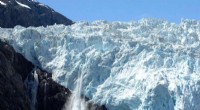
* Density and Freezing/Boiling Points: Water has a maximum density at approximately 4 degrees Celsius (39.2 degrees Fahrenheit). Its freezing point is 0 degrees Celsius (32 degrees Fahrenheit), while its boiling point is 100 degrees Celsius (212 degrees Fahrenheit) at sea level.
* Thermal Properties: Water has a high specific heat capacity, meaning it requires a significant amount of energy to change its temperature. It also has a high heat of vaporization, contributing to its role in regulating Earth's climate through the water cycle.
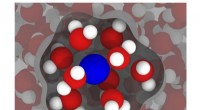
* Universal Solvent: Water is often referred to as the universal solvent due to its ability to dissolve a wide range of substances, including both polar and nonpolar molecules. This property has vital implications in many biological and chemical processes.
Chemical Characteristics
* Polarity: Water is a polar molecule, meaning it has a positive end (hydrogen atoms) and a negative end (oxygen atom). This polarity allows water to form hydrogen bonds with itself and other polar molecules, giving it unique properties and influencing its interactions with other substances.
* Acid-Base Chemistry: Water undergoes autoionization, where a small number of water molecules dissociate into hydrogen ions (H+) and hydroxide ions (OH-). This leads to the concept of pH, which measures the acidity or basicity of water and other solutions.
Biological Characteristics
* Essential for Life: Water is essential for sustaining life on Earth. It comprises around 60-70% of the human body and is involved in various biological processes, including cellular metabolism, transport of nutrients, and regulation of body temperature.
* Habitat and Ecosystem Component: Water bodies like oceans, lakes, rivers, and wetlands provide habitats for diverse aquatic plants and animals, forming complex ecosystems and sustaining biodiversity.
* Nutrient and Oxygen Source: Water is a source of essential nutrients for both aquatic and terrestrial organisms. Dissolved oxygen in water is critical for respiration in many aquatic animals.
* Hydrological Cycle: Water participates in the continuous hydrological cycle, where it evaporates from the Earth's surface, forms clouds, and precipitates as rain or snow, eventually returning to the ground or water bodies.
Understanding the physical, chemical, and biological characteristics of water is fundamental to various scientific disciplines, including environmental science, chemistry, biology, and water resource management.