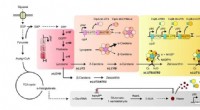
Nitrogen gas is constantly being cycled through the atmosphere, oceans, and land. Plants absorb nitrogen from the soil, and animals eat the plants. When plants and animals die, their nitrogen-containing compounds are broken down by bacteria and fungi, releasing nitrogen gas back into the atmosphere.
Nitrogen gas can also be converted into other forms of nitrogen, such as ammonia (NH3) and nitrate (NO3-). These forms of nitrogen are more reactive than nitrogen gas, and they can be used by plants and animals as nutrients.
The nitrogen cycle is a vital process for the Earth's ecosystem. It ensures that there is enough nitrogen available for plants and animals to grow, and it helps to remove excess nitrogen from the environment.