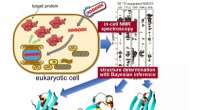
In the human body, ionic bonds are particularly important in maintaining the structure and function of proteins. Proteins are large molecules made up of amino acids, which are linked together by peptide bonds. Peptide bonds are formed when the carboxyl group of one amino acid reacts with the amino group of another amino acid, releasing a molecule of water. The resulting amide bond is a type of covalent bond, but it also has some ionic character due to the partial transfer of electrons from the nitrogen atom to the oxygen atom. This partial charge difference helps to stabilize the protein molecule and allows it to fold into its proper shape.
Ionic bonds are also important in the function of nucleic acids. Nucleic acids are polymers of nucleotides, which are made up of a nitrogenous base, a ribose or deoxyribose sugar, and a phosphate group. The phosphate groups are negatively charged, and they interact with positively charged metal ions to form ionic bonds. These bonds help to stabilize the structure of nucleic acids and allow them to function as carriers of genetic information.
In addition to proteins and nucleic acids, ionic bonds are also important in the structure and function of carbohydrates. Carbohydrates are made up of monosaccharides, which are simple sugars that can be linked together to form larger molecules. Monosaccharides contain both hydroxyl groups and carbonyl groups, which are both polar groups that can participate in ionic bonding. These bonds help to stabilize the structure of carbohydrates and allow them to interact with other molecules in the body.
Overall, ionic bonding is a vital force in the human body, contributing to the structure and function of many of its essential molecules. Without ionic bonding, the body would not be able to function properly and would likely fall apart.