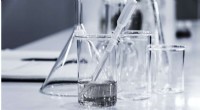
Sample Collection and Preparation: Chemists use apparatus such as test tubes, beakers, and pipettes to collect and prepare samples. These vessels allow for accurate measurement, transfer, and storage of samples prior to analysis.
Heating and Cooling: Chemists employ heating apparatuses like Bunsen burners, hot plates, and heating mantles to provide a controlled heat source for reactions, distillations, and other processes requiring specific temperatures. Additionally, cooling apparatuses such as ice baths and cryogenic freezers may be used to maintain low temperatures for reactions, preservation of samples, or condensation of vapors.
Mixing and Stirring: Chemists use magnetic stirrers or stir bars to effectively mix solutions and facilitate reactions. Stirring helps ensure uniform mixing and prevents the formation of concentration gradients within the reaction vessel.
Filtration and Separation: Various filtration apparatuses, including filter paper, Buchner funnels, and vacuum filtration systems, are used to separate solids from liquids. Chemists also utilize techniques such as centrifugation to separate mixtures based on density differences.
Measurement and Analysis: Chemists employ a range of apparatuses for precise measurements and analysis of samples. These include analytical balances for weighing substances accurately, pH meters for measuring acidity or alkalinity, spectrometers for analyzing the composition of substances, and microscopes for observing and studying materials at a microscopic level.
Gas Handling and Collection: Specialized apparatus such as gas chromatography systems, gas collection tubes, and gas sensors are used to analyze, separate, and collect gaseous samples for further study.
Distillation and Extraction: Chemists utilize apparatuses like distillation columns and Soxhlet extractors to separate and purify substances through processes such as distillation, sublimation, and extraction. These techniques allow for the isolation of specific components based on their boiling points and solubility characteristics.
Safety and Containment: Various safety apparatuses are crucial in chemical laboratories to ensure the safety of chemists and prevent accidents. These include fume hoods for safe handling of hazardous substances, safety goggles, gloves, and lab coats to protect against potential hazards, and proper ventilation systems to maintain a safe working environment.
Overall, chemists rely on a diverse array of apparatus to carry out their experiments, perform analyses, and achieve accurate and reliable results in their scientific investigations and research.