1. Collection of Urine:
Collect urine in a container suitable for distillation, ensuring it is free from contaminants and solid particles.
2. Pretreatment:
Depending on the urine composition, you may need to perform some pretreatment steps to remove suspended particles or adjust the pH. This can be done by filtration or by adding acid/base to achieve a desired pH range.
3. Distillation Setup:
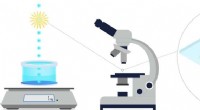
Set up a fractional distillation apparatus. The setup should include a distillation flask connected to a condenser and a receiving flask.
4. Distillation Process:
Heat the distillation flask containing urine to a temperature where the volatile components, including ammonia, begin to evaporate. The vapor will rise and enter the condenser, where it cools down and condenses back to a liquid.
5. Collection of Ammonia:
The condensed liquid from the condenser contains ammonia along with other components. By carefully controlling the temperature and collecting the fractions based on their boiling points, you can separate ammonia from other compounds present in urine. Ammonia has a boiling point of -33.3°C, so it will be one of the first components to evaporate and condense during the distillation process.
6. Fractional Condensation:
As different components of urine have different boiling points, they will condense at different temperatures. Monitor the temperature and collect the fraction that corresponds to the boiling point of ammonia (-33.3°C). This fraction will contain the concentrated ammonia.
7. Collection and Storage:
Collect the ammonia fraction in a suitable container. You may need to further purify the collected ammonia using additional distillation steps or chemical treatments if desired. Proper storage conditions should be maintained to prevent the volatilization and loss of ammonia.
By carefully following the steps of fractional distillation, you can separate ammonia from urine effectively. The separated ammonia can then be further utilized or subjected to further purification processes based on your specific requirements.