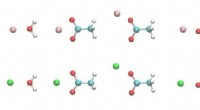
1. Disinfection of Drinking Water: Chlorine is widely used as a disinfectant to kill harmful bacteria and other microorganisms in municipal water supplies. When chlorine is added to water treatment plants, it reacts with organic matter to form disinfection byproducts (DBPs), some of which can be harmful to human health. These DBPs can enter the environment through wastewater discharges and runoff from water treatment plants.
2. Agricultural Runoff: Chlorine-based pesticides and fertilizers used in agricultural practices can be a source of chlorine contamination in freshwater sources. When these chemicals are applied to crops, they can be washed off by rainwater or irrigation water, eventually reaching streams, rivers, and lakes.
3. Industrial Discharges: Various industries, such as chemical manufacturing, textile, and paper mills, use chlorine in their processes. Improper disposal of industrial wastewater containing chlorine or chlorine compounds can lead to contamination of nearby water bodies.
4. Accidental Spills: Chlorine gas is used in many industrial applications and is highly toxic. Accidental releases or spills of chlorine gas can contaminate both air and water sources, posing a serious risk to human health and the environment.
5. Natural Sources: Chlorine naturally occurs in the environment in the form of chloride salts. The weathering of rocks and soil containing these salts can release chlorine into groundwater and surface water. However, this natural contribution is generally much lower compared to human-induced sources.
6. Atmospheric Deposition: Chlorine can also be released into the atmosphere through industrial emissions and volcanic eruptions. These emissions can be transported over long distances and eventually deposited onto water bodies through rainfall or dry deposition.
It is important to note that the levels of chlorine in fresh water sources are regulated to ensure the safety of drinking water and to protect aquatic ecosystems. Proper management practices and regulations are in place to minimize chlorine contamination and ensure the quality and safety of fresh water resources.