It is highly reactive and can easily form a variety of compounds with other elements.
The formula formed by a chlorine atom depends on the element it reacts with.
Here are some common formulas involving chlorine atoms:
1. Sodium Chloride (NaCl): This is the most well-known chlorine compound. It is also commonly known as table salt. Sodium chloride is formed when sodium atoms react with chlorine atoms in a 1:1 ratio.
2. Hydrogen Chloride (HCl): Hydrogen chloride is a colourless gas with a pungent odour. It is formed when hydrogen atoms react with chlorine atoms in a 1:1 ratio. Hydrogen chloride is a highly acidic gas and is commonly used in the production of PVC (polyvinyl chloride), hydrochloric acid, and other chemicals.
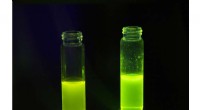
3. Chlorine Dioxide (ClO2): Chlorine dioxide is a greenish-yellow gas with a pungent odour. It is formed when chlorine atoms react with oxygen atoms in a 2:1 ratio. Chlorine dioxide is a powerful oxidising agent and is commonly used as a bleaching agent in pulp and paper production, as well as a disinfectant in water treatment.
4. Potassium Chloride (KCl): Potassium chloride is a white crystalline solid. It is formed when potassium atoms react with chlorine atoms in a 1:1 ratio. Potassium chloride is commonly used as a fertilizer, as well as in medicine to treat hypokalaemia (low potassium levels in the blood) and to prevent muscle cramps.
5. Calcium Chloride (CaCl2): Calcium chloride is a white crystalline solid. It is formed when calcium atoms react with chlorine atoms in a 1:2 ratio. Calcium chloride is commonly used as a desiccant (drying agent), as well as in the production of concrete, ice cream, and other foods.
6. Iron(III) Chloride (FeCl3): Iron(III) chloride is a dark red-brown crystalline solid. It is formed when iron atoms react with chlorine atoms in a 1:3 ratio. Iron(III) chloride is commonly used as a coagulant in water treatment, as well as in the production of steel and other iron-based alloys.