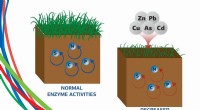
Land degradation: Mining activities often involve the removal of large amounts of soil and vegetation, which can lead to soil erosion, loss of biodiversity, and desertification. Tailings, waste rock, and other mining residues can also contaminate soil and water, making the land unsuitable for other uses.
Water pollution: Mining activities can contaminate water sources with heavy metals, chemicals, and other pollutants. This can have serious impacts on aquatic ecosystems, as well as on human health if the water is used for drinking, bathing, or irrigation.
Air pollution: Mining activities can release harmful pollutants into the air, including dust, heavy metals, and other chemicals. This can cause respiratory problems and other health issues for people living near mining sites.
Deforestation: Mining activities often require the clearing of large areas of forest, which can contribute to climate change, loss of biodiversity, and soil erosion.
Noise pollution: Mining activities can generate a lot of noise, which can be disruptive to nearby communities.
Visual impacts: Mining sites can be unsightly and can negatively impact the aesthetic value of an area.
In addition to these environmental impacts, mining can also have negative social and economic impacts, such as the displacement of local communities, loss of traditional livelihoods, and increased poverty.