1. Spicules:
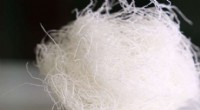
- Spicules are the primary structural elements that form the skeleton of a sponge.
- Composed of calcium carbonate (calcite) or silicon dioxide (silica), or both.
- Each spicule consists of a central shaft surrounded by rays or branches.
- Spicules provide support and rigidity to the sponge body, protecting it from predators.
2. Collagen:
- Collagen is a structural protein that forms a network within the sponge body, providing additional support.
- It also helps in the filtration process by trapping food particles.
3. Mucus:
- Sponge produces mucus, a gel-like substance that covers its body.
- The mucus helps trap food particles and facilitates the movement of water through the sponge's body.
- It also protects the sponge from environmental stresses.
4. Glycoproteins:
- Glycoproteins are carbohydrate-protein complexes that play a role in cell adhesion, recognition, and signaling within the sponge.
5. Proteins:
- Various other proteins are found in sponges, performing diverse functions such as enzyme catalysis, structural support, and defense mechanisms.
6. Lipids:
- Lipids, including phospholipids and sterols, are components of the sponge cell membranes and play a role in cell signaling and metabolism.
7. Nucleic Acids (DNA and RNA):
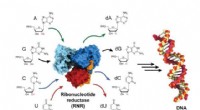
- DNA and RNA are essential genetic materials found in sponge cells, carrying genetic information and controlling cellular processes.
These materials together form the structural framework and functional components of a sponge, enabling them to perform their vital functions, including filtration, nutrient acquisition, and reproduction.