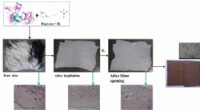
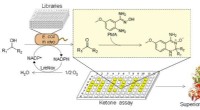
In lactic acid fermentation, the electron donor is glucose or another sugar. During the process of fermentation, the sugar is broken down into smaller molecules, releasing electrons. These electrons are then transferred to the electron acceptor, which is usually NAD+ (nicotinamide adenine dinucleotide). The NAD+ becomes reduced to NADH, while the sugar is oxidized to pyruvate. The pyruvate is then converted to lactate, which is the final product of lactic acid fermentation.