2Al(s) + 6HCl(aq) → 2AlCl3(aq) + 3H2(g)
In this reaction, aluminum atoms lose three electrons to hydrogen atoms, forming Al3+ ions and H2 molecules. The Al3+ ions then combine with Cl- ions from HCl to form aluminum chloride.
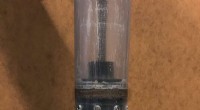
The reaction between HCl and aluminum foil is exothermic, meaning that it releases heat. The hydrogen gas produced during the reaction is flammable and can burn if ignited.
To avoid any potential hazards, it is important to handle hydrochloric acid and aluminum foil with care. Always wear gloves and eye protection when working with these materials and ensure that the experiment is conducted in a well-ventilated area.