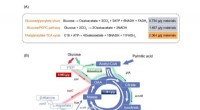
Photosynthesis is the process by which plants convert sunlight into energy, which is stored in the form of glucose. This glucose is then used by plants to build new plant material, such as leaves, stems, and roots. When animals eat plants, they are consuming the energy that was stored in the glucose. This energy is then used by the animals to build new animal material, such as muscle tissue, bones, and fur.
Respiration is the process by which organisms break down glucose to release energy. This energy is used by organisms to carry out their life processes, such as moving, growing, and reproducing. When organisms respire, they release carbon dioxide into the atmosphere.
Decomposition is the process by which dead organisms are broken down by bacteria and fungi. This process releases nutrients back into the soil, which can then be used by plants to grow new plant material.
Through the processes of photosynthesis, respiration, and decomposition, atoms cycle through the food chain. This cycling ensures that atoms are constantly being recycled and used by living organisms.