* Fossil fuels: Oil, natural gas, and coal are all fossil fuels used to produce energy. Chemists play a vital role in extracting, refining, and processing these fuels to make them useful for various applications, such as transportation, heating, and electricity generation.
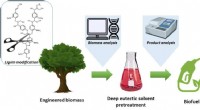
* Biofuels: Chemists also work on developing alternative fuels, such as biofuels derived from plants, algae, or microorganisms, to reduce our reliance on fossil fuels and combat climate change.
* Batteries and fuel cells: Chemists are involved in researching and developing advanced battery technologies and fuel cells for storing and converting chemical energy into electricity. These are essential for portable devices, electric vehicles, and renewable energy systems.
Pharmaceuticals and medicine:
* Drug design and development: Chemists play a critical role in synthesizing and testing new drugs to treat various diseases and disorders. They work closely with biologists, pharmacologists, and medical professionals to design drugs that are effective and have minimal side effects.
* Drug delivery: Chemists also develop drug delivery systems that ensure drugs reach their target sites efficiently and effectively in the body. This includes designing nanoparticles, liposomes, and other delivery vehicles.
* Pharmaceutical analysis: Chemists analyze the composition, purity, and quality of drugs and pharmaceutical products to ensure compliance with regulatory standards.
Materials science and engineering:
* Polymers and plastics: Chemists are involved in the development and production of a wide range of polymers, plastics, and composite materials used in various industries, including automotive, construction, packaging, and electronics.
* Metals and alloys: Chemists work on improving the properties of metals and alloys through alloying, heat treatment, and surface engineering to enhance their strength, durability, and corrosion resistance.
* Ceramics and glasses: Chemists develop advanced ceramics and glasses with unique properties, such as high-temperature resistance, electrical insulation, and biocompatibility, for applications in industries like aerospace, energy, and medical devices.
Food science and agriculture:
* Food processing and preservation: Chemists help preserve and enhance the quality of food products through processes like pasteurization, canning, and freezing. They also develop food additives and packaging materials to maintain freshness and prevent spoilage.
* Flavorings and fragrances: Chemists create artificial flavors and fragrances used in a variety of products, including food, beverages, cosmetics, and household cleaning agents.
* Pesticides and fertilizers: Chemists develop pesticides and fertilizers that help farmers protect their crops from pests and increase crop yields, while minimizing environmental impact.
Environmental science and sustainability:
* Pollution control: Chemists develop technologies to reduce pollution from industrial processes, such as catalytic converters for automobiles and scrubbers for industrial smokestacks.
* Waste management and recycling: Chemists work on processes to recycle and reuse waste materials, such as plastics, metals, and electronic components, to reduce environmental waste and promote sustainability.
* Renewable energy: Chemists research and develop renewable energy technologies, such as solar cells, wind turbines, and fuel cells, to mitigate the reliance on fossil fuels and address climate change.