* Sodium oxide (Na2O)
* Potassium oxide (K2O)
* Calcium oxide (CaO)
* Magnesium oxide (MgO)
* Aluminium oxide (Al2O3)
These oxides are all white solids that are soluble in water. When dissolved, they release hydroxide ions into the solution, which increases the pH of the solution.
Basic oxides are used in a variety of applications, including:
* As a source of hydroxide ions in water treatment plants
* As a flux in metallurgy
* As a refractory material in high-temperature applications
* As an abrasive in polishing compounds
* As a component of fertilizers
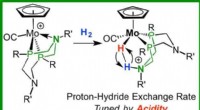
![Self-Sorting Achieved Through Molecular Geometry of Pillar[n]Arenes](https://www.scienceaq.com/article/uploadfiles/202110/2021102312082264_S.jpg)