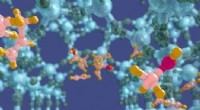
High Adsorption Capacity: Activated carbon has a high surface area, with numerous pores and cavities, providing a large number of adsorption sites for arsenic to attach to. Activated carbon's unique porous structure allows for efficient physical adsorption (physisorption) and chemical adsorption (chemisorption) of arsenic onto its surface.
Versatility: Activated carbon can effectively remove arsenic from various water sources, including groundwater, surface water, and industrial wastewater. It is adaptable to different treatment setups, such as point-of-use (POU) systems for household water treatment, central water treatment plants, and industrial-scale applications.
Regeneration Capability: Activated carbon can be regenerated and reused, making it a cost-effective solution. Thermal regeneration processes can remove adsorbed arsenic and restore the adsorption capacity of the activated carbon, thereby allowing for multiple cycles of reuse.
Non-Toxic and Environmentally Friendly: Activated carbon is derived from various organic materials, such as coconut shells, wood, or coal, making it an environmentally friendly option. It does not introduce harmful substances into the water during the adsorption process.
Selective Adsorption: Activated carbon can selectively remove arsenic while allowing other essential minerals and trace elements to remain in the water, preserving the overall quality of the treated water.
Ease of Operation: Activated carbon adsorption systems are relatively easy to operate and maintain, making them suitable for various settings, including rural areas, remote communities, and large-scale water treatment facilities.
Activated carbon's combination of high adsorption capacity, versatility, regeneration capability, and environmental friendliness makes it a preferred choice for arsenic removal from water sources. It can effectively reduce arsenic levels to meet regulatory standards and provide safe drinking water.