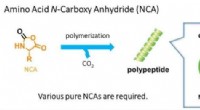
Starting Materials: The reactants or starting materials used in a chemical reaction directly influence the products formed. The identities and amounts of the reactants determine the possible products according to the law of conservation of mass.
Reaction Conditions: Factors such as temperature, pressure, and concentration can significantly affect the outcome of a chemical reaction. Changes in these conditions can alter the reaction pathways and thus the products formed. For example, increasing temperature may increase the reaction rate and favor certain products, while changing pressure can shift the equilibrium of a reaction, influencing the product distribution.
Catalysts: Catalysts are substances that enhance the rate of a chemical reaction without being consumed in the process. They provide alternative reaction pathways with lower activation energy, allowing reactions to occur more rapidly. The presence of catalysts can influence the selectivity of the reaction, promoting the formation of specific products.
Stoichiometry: The stoichiometry of a chemical reaction, represented by the balanced chemical equation, determines the quantitative relationship between the reactants and products. It specifies the proportions in which the reactants must be combined to ensure complete reaction and predicts the maximum yield of the products.
Side Reactions: In some cases, competing or side reactions may occur simultaneously with the main reaction. These side reactions consume reactants and produce unintended products, reducing the yield of the desired products. Controlling reaction conditions and optimizing the reaction pathway can minimize the occurrence of side reactions.
Solvent: The solvent used in a chemical reaction can influence the solubility and reactivity of the reactants and products. It may participate in the reaction or modify the reaction environment, affecting the equilibrium and product distribution.
pH: For reactions involving acids or bases, the pH of the solution can play a crucial role in determining the products formed. Changes in pH can alter the protonation states of reactants, affecting their reactivity and product formation.
Overall, the products of a chemical equation depend on the nature of the starting materials, reaction conditions, presence of catalysts, stoichiometry, potential side reactions, solvent effects, and pH (for acid-base reactions). Understanding and controlling these factors is essential for predicting and optimizing the outcome of chemical reactions.