There are many different types of buffers, but some of the most important ones in the human body include:
* Carbonic acid/bicarbonate buffer system: This buffer system is the most important one in the blood. It works by converting carbonic acid (H2CO3) into bicarbonate ions (HCO3-) and hydrogen ions (H+) when the pH of the blood decreases. Conversely, it converts bicarbonate ions and hydrogen ions into carbonic acid when the pH of the blood increases.
* Phosphate buffer system: This buffer system is important in the urine and in cells. It works by converting dihydrogen phosphate ions (H2PO4-) into hydrogen phosphate ions (HPO42-) and hydrogen ions (H+) when the pH of the solution decreases. Conversely, it converts hydrogen phosphate ions and hydrogen ions into dihydrogen phosphate ions when the pH of the solution increases.
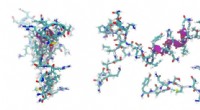
* Protein buffer system: This buffer system is important in cells and in the blood plasma. It works by releasing or absorbing hydrogen ions (H+) in response to changes in the pH of the solution. Proteins can release hydrogen ions when the pH decreases and absorb hydrogen ions when the pH increases.
Buffers are essential for maintaining the proper pH of the human body. Without buffers, the pH of the body would fluctuate wildly, which could lead to serious health problems.