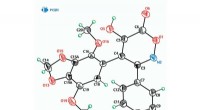
- Chemical structure: The chemical structure of a liquid determines its molecular polarity and the strength of intermolecular forces. For instance, liquids with similar molecular structures tend to be more miscible with one another than liquids with different structures.
- Molecular weight: The molecular weight of a liquid affects its density and viscosity. Liquids with similar molecular weights tend to be more miscible with one another than liquids with different molecular weights.
- Polarity: Polarity refers to the separation of charge within a molecule. Polar liquids have molecules with a positive end and a negative end, while nonpolar liquids have molecules with no charge separation. Polar liquids tend to be more miscible with other polar liquids, and nonpolar liquids tend to be more miscible with other nonpolar liquids.
In summary, the mixability of liquids is determined by the interplay of chemical structure, molecular weight, and polarity. Liquids that have similar chemical structures, molecular weights, and polarities are more likely to be miscible with each other.