1. Formation of Sodium Iodide: Sodium bicarbonate reacts with iodine to form sodium iodide. This is an example of a double displacement reaction, where the positive ions (sodium and iodine) and negative ions (bicarbonate and iodide) exchange places to form new compounds. The chemical equation for this reaction is:
```
NaHCO3(aq) + I2(aq) → NaI(aq) + H2O(l) + CO2(g)
```
2. Release of Carbon Dioxide: During the reaction, carbon dioxide gas is released as a byproduct. This can be observed as bubbles or fizzing in the solution. The formation of carbon dioxide indicates that a chemical change has occurred.
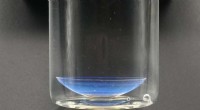
3. Color Change: The mixture initially has a dark brown color due to the presence of iodine. As the reaction proceeds and sodium iodide is formed, the solution turns colorless or pale yellow. This change in color is another indication of a chemical change.
The overall reaction between baking soda and iodine solution results in the formation of sodium iodide, the release of carbon dioxide gas, and a change in the solution's color. These observations confirm that a chemical change has taken place.