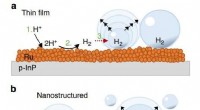
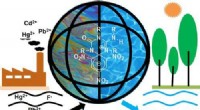
When water is exposed to heat from the sun, it gains energy. The increased energy causes the water molecules to move faster and break away from the liquid's surface. These molecules then rise into the air as water vapour. The process continues until all the liquid water has evaporated, leaving behind an empty glass.
Evaporation is a physical change because the chemical composition of the water remains the same throughout the process. The water molecules are still H2O, and no chemical reactions occur. The only change is the physical state of the water, from liquid to gas.
In contrast to evaporation, chemical changes involve the transformation of one substance into one or more new substances with different chemical properties. Chemical changes are often accompanied by changes in colour, odour, or the formation of gas or a precipitate.