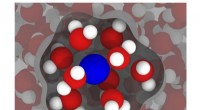
Hydrogen usually has an oxidation number of +1, because it loses one electron to become a hydrogen cation (H+). However, in some cases, hydrogen can also have an oxidation number of -1, such as in metal hydrides, where it gains one electron to become a hydride anion (H-). The oxidation number of hydrogen is determined by its chemical environment and the electronegativity of the atoms it is bonded to.