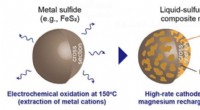
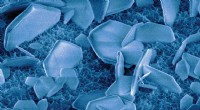
When a battery is discharged, the chemical reactions that produce electricity also produce other substances. For example, in a lead-acid battery, the lead plates react with the sulfuric acid to produce lead sulfate and water. These substances are different from the original reactants, so the reaction is a chemical change.
The chemical changes that occur when a battery is discharged are not always reversible. For example, the lead sulfate that is produced when a lead-acid battery is discharged cannot be easily converted back into lead and sulfuric acid. This means that batteries have a limited lifespan and cannot be discharged indefinitely.