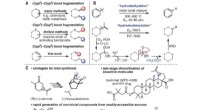
Saturated ketones are typically less reactive than unsaturated ketones because the carbon-carbon double bond in unsaturated ketones is more reactive than the carbon-carbon single bonds in saturated ketones. This means that saturated ketones are less likely to undergo reactions such as addition, substitution, and elimination.
Some examples of saturated ketones include:
* Acetone
* Cyclohexanone
* Butanone
* 2-Pentanone
Saturated ketones are commonly used as solvents, cleaning agents, and degreasers. They are also used in the production of a variety of chemicals, including plastics, paints, and pharmaceuticals.