1. Calcium and Hydrochloric Acid (HCl):
- Reaction: Ca + 2HCl → CaCl2 + H2
- Products: Calcium chloride (CaCl2) is formed as a water-soluble salt. Hydrogen gas (H2) is released as a byproduct.
2. Calcium and Sulfuric Acid (H2SO4):
- Reaction: Ca + H2SO4 → CaSO4 + H2
- Products: Calcium sulfate (CaSO4), also known as gypsum, is formed as a water-insoluble salt. Hydrogen gas (H2) is produced.
3. Calcium and Nitric Acid (HNO3):
- Reaction: Ca + 2HNO3 → Ca(NO3)2 + H2
- Products: Calcium nitrate [Ca(NO3)2] is formed as a water-soluble salt. Nitrogen dioxide gas (NO2), a toxic and reddish-brown gas, is released.
4. Calcium and Acetic Acid (CH3COOH):
- Reaction: Ca + 2CH3COOH → Ca(CH3COO)2 + H2
- Products: Calcium acetate [Ca(CH3COO)2] is produced as a water-soluble salt. Hydrogen gas (H2) is liberated.
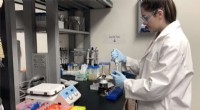
The reactions are typically exothermic, meaning they release heat. Additionally, the reaction of calcium with acids can produce flammable or explosive gases like hydrogen or nitrogen dioxide, depending on the acid used. Therefore, it is crucial to handle these substances with caution and follow safety precautions when experimenting or working with calcium and acids.