1. Concentration change over time: One way to measure the reaction rate is to monitor the change in concentration of the reactants or products over time. This can be done using various analytical techniques such as spectroscopy (e.g., UV-Vis spectroscopy), chromatography, or titration.
2. Gas evolution: If a reaction produces a gas, the rate of reaction can be measured by measuring the volume of gas produced over time. This method is commonly used in reactions involving the production of gases such as carbon dioxide or hydrogen.
3. Calorimetry: This technique measures the heat absorbed or released during a reaction. For exothermic reactions (where heat is released), the rate of reaction can be determined by monitoring the temperature change over time.
4. Electrical conductivity: In certain reactions involving ions, changes in electrical conductivity can indicate the rate of reaction. This is because the concentration of ions in the solution changes as the reaction progresses, affecting the electrical conductivity.
5. Radioactive decay: If the reaction involves radioactive substances, the decay rate can be used to determine the reaction rate. This method is particularly useful in reactions where the half-life of the radioactive substance is known.
6. Spectrophotometry: This technique measures the changes in absorbance or transmittance of light as the reaction progresses. It is commonly used in reactions where one of the reactants or products has a distinct color or absorbs light at a specific wavelength.
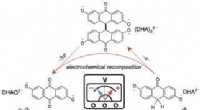
7. Electrochemical methods: Electrochemical techniques like amperometry or potentiometry can be used to monitor the change in electrical current or potential during a reaction, allowing the determination of the reaction rate.
8. pH change: In reactions that involve acid-base interactions or produce/consume hydrogen ions (H+), the rate of reaction can be monitored by measuring the change in pH.
It's important to note that the choice of method depends on the specific reaction and the nature of the reactants and products involved. Additionally, the experimental conditions (e.g., temperature, pressure, concentration) can also influence the rate of reaction and should be carefully controlled.