Gas Chromatography (GC):
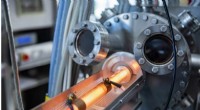
GC is a widely used technique for analyzing the composition of gas mixtures. It separates and identifies different gases based on their boiling points and interactions with a stationary phase. A sample of hydrogen gas is injected into the GC, and the components are separated as they pass through a column. The separated gases are then detected and quantified, providing information about the presence and concentration of impurities in the hydrogen gas.
Mass Spectrometry (MS):
MS is another powerful analytical technique that can be employed to determine hydrogen gas purity. It separates ionized molecules based on their mass-to-charge ratio. A sample of hydrogen gas is introduced into the MS, and the ions produced are separated and detected. By analyzing the mass spectra, the presence and concentration of impurities can be identified.
Thermal Conductivity Detectors (TCDs):
TCDs are commonly used to detect impurities in hydrogen gas. They operate based on the principle of thermal conductivity, where different gases have different thermal conductivities. A TCD consists of two filaments or wires, one exposed to the pure hydrogen gas and the other exposed to the sample gas. Any impurities present in the sample gas will alter its thermal conductivity, causing a change in the temperature of the filaments. This temperature difference is measured and used to determine the concentration of impurities.
Gas Sensors:
Various gas sensors are available that can selectively detect hydrogen gas and its impurities. These sensors utilize different sensing mechanisms, such as electrochemical, catalytic, or optical, to detect the presence of specific gases. By exposing the sensor to the hydrogen gas sample, the concentration of impurities can be quantified.
Hydrogen Purity Analyzers:
Specific hydrogen purity analyzers are commercially available that combine multiple detection techniques, such as GC, MS, or TCD, to provide accurate measurements of hydrogen gas purity. These analyzers are designed to detect common impurities, including oxygen, nitrogen, carbon monoxide, carbon dioxide, and hydrocarbons, and provide a detailed analysis of the hydrogen gas composition.
It's important to note that the choice of method for checking hydrogen gas purity depends on the desired level of accuracy, sensitivity, and the specific impurities of interest. The selection of an appropriate analytical technique should be based on the requirements and specifications of the intended application.