Here's a more detailed explanation of what happens to molecules during a chemical change:
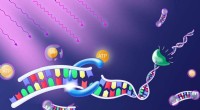
- Breaking of Bonds: In a chemical reaction, the chemical bonds that hold the atoms of the reactants together are broken. This can occur through various mechanisms, such as heat, light, or the addition of a catalyst.
- Rearrangement of Atoms: Once the bonds of the reactants are broken, the individual atoms are rearranged in a new configuration. These new arrangements form the molecules of the products.
- Formation of New Bonds: As the atoms rearrange themselves, new chemical bonds are formed between them. These newly formed chemical bonds are responsible for holding the atoms together in the product molecules.
- Formation of Products: The end result of a chemical change is the formation of one or more new substances, known as products. The products have different chemical properties and structures compared to the original reactants.
Chemical reactions can involve simple rearrangements of atoms within a molecule or more complex transformations where multiple molecules interact and combine. Regardless of the complexity, chemical changes always involve the breaking and forming of chemical bonds, resulting in the formation of new molecules with different compositions and properties.