Materials:
- Concentrated hydrochloric acid (HCl)
- Deionized water
- Safety goggles
- Lab coat or apron
- Gloves
- Graduated cylinder or beaker
- Stirring rod
Procedure:
1. Safety First:
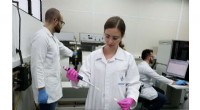
- Wear safety goggles, a lab coat or apron, and gloves to protect yourself from splashes and fumes.
- Work in a well-ventilated area.
2. Calculate the Volume of Concentrated HCl Needed:
- Determine the volume of concentrated HCl required using the dilution formula:
$$C_1 V_1 = C_2 V_2$$
where:
- $$C_1$$ is the concentration of concentrated HCl (usually 11.6 M)
- $$V_1$$ is the volume of concentrated HCl you need to take
- $$C_2$$ is the desired concentration (1.0 M)
- $$V_2$$ is the final volume of the diluted solution
3. Prepare the Diluting Solution:
- Using a graduated cylinder or beaker, measure out the calculated volume of concentrated HCl.
- Slowly add the concentrated HCl to a small amount of deionized water in a beaker, while stirring constantly. This initial dilution helps prevent splattering and excessive heat generation.
4. Add More Water to Reach Final Volume:
- Transfer the diluted HCl from the beaker to a volumetric flask.
- Rinse the beaker with a small amount of deionized water and add the rinse water to the volumetric flask.
- Add deionized water to the volumetric flask until the solution reaches the 1.0 L mark (or whichever volume you require).
- Mix thoroughly by swirling the flask gently to ensure uniform concentration throughout the solution.
Labeling:
- Label the volumetric flask clearly, indicating that it contains 1.0 M hydrochloric acid and the date it was prepared.
Note:
- Always add acid to water, not the other way around. Adding water directly to concentrated acid can cause vigorous boiling, splattering, and even release harmful fumes.
Remember to follow safe laboratory practices and handle concentrated acids with utmost care.