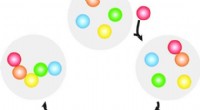
Yes, a chain reaction takes place in a nuclear reactor. A nuclear reactor is a device designed to sustain a controlled chain reaction of nuclear fission to produce heat, which is then used to generate steam and drive turbines to produce electricity. Chain reactions in nuclear reactors work through a process called neutron-induced fission, where a neutron collides with a fissile atom such as uranium-235 or plutonium-239, causing the fissile atom to split into two smaller atoms, releasing a significant amount of energy and more neutrons. The released neutrons then go on to cause further fissions in neighboring fissile atoms, creating a self-sustaining chain reaction. The ability to regulate the number of free neutrons within the reactor's core allows for control over the intensity of the chain reaction and thus the heat generated.